Lavender Flower: A Versatile Script Font for Editorial Design
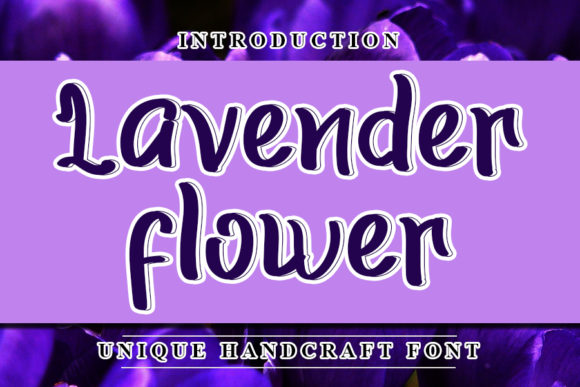
Lavender Flower is a modern and trendy handwritten font that brings a fresh, elegant touch to any design project. Its soft, flowing lines and delicate curves make it ideal for editorial work where visual appeal meets readability. Whether you're crafting content for blogs, magazines, or digital publications, this font can elevate your designs with a touch of sophistication.
Visual Characteristics and Style
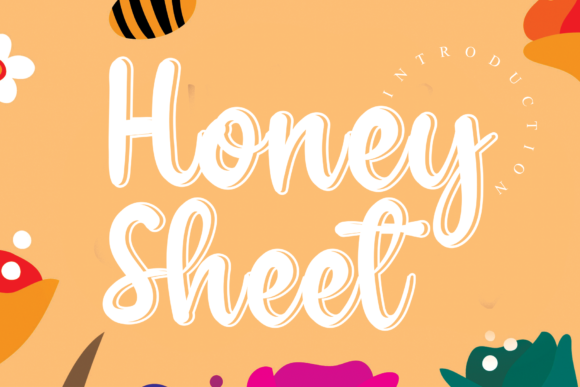
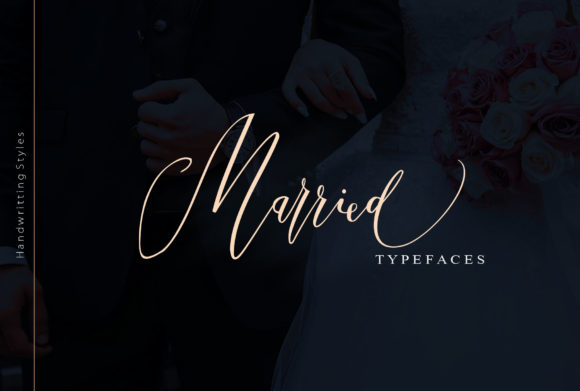
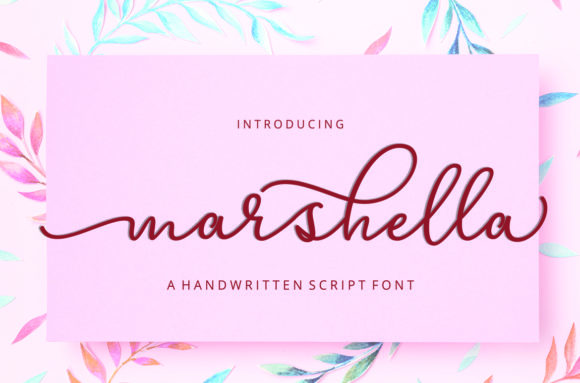
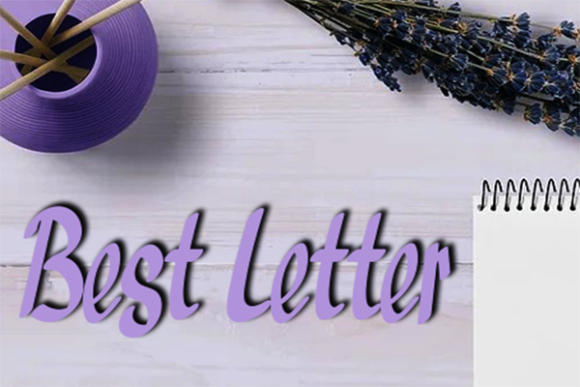
Lavender Flower is a script font with a contemporary feel, blending the charm of handwritten styles with clean, modern typography. Its character design features subtle flourishes and a natural rhythm that adds personality without overwhelming the reader. The font maintains a consistent weight and spacing, making it visually balanced and easy to read in both digital and print formats.
The style of Lavender Flower is perfect for those who want a touch of creativity without sacrificing clarity. It has a gentle, inviting tone that suits a wide range of editorial applications, from lifestyle content to creative guides. Its versatility makes it a strong choice for designers looking to add a unique visual identity to their projects.
Editorial Applications and Layouts
One of the key strengths of Lavender Flower is its adaptability across various editorial layouts. For blog headers, it can serve as a striking focal point, drawing readers in with its elegant script. In magazine covers, it can create a memorable first impression, helping to establish the tone and theme of the publication.
In ebook titles, Lavender Flower adds a refined touch that complements the content’s aesthetic. It works well for newsletter graphics, especially when used in pull quotes or section headings. Its fluid nature also makes it suitable for chapter openers and printable guides, where a warm and inviting feel is desired.
For content branding, Lavender Flower can help reinforce a brand's identity by creating a cohesive visual language. It pairs well with other fonts, allowing for a harmonious mix of display and body text. This flexibility ensures that it can be used effectively in a variety of contexts, from social media graphics to web design elements.
Readability and Visual Hierarchy
While Lavender Flower is a script font, it is designed with readability in mind. Its clear letterforms and generous spacing ensure that it remains legible even in longer passages. However, it is best suited for headlines, titles, and accents rather than large blocks of body text.
To maintain visual hierarchy, consider using Lavender Flower for titles and subtitles while pairing it with a more readable serif or sans serif font for body copy. This combination allows for a balance between style and functionality, ensuring that the reader can easily navigate through the content.
When designing for screen reading, PDF exports, and mobile layouts, it’s important to test how the font renders across different platforms. Ensuring that it looks great on all devices helps maintain a consistent user experience, which is crucial for engaging readers in digital spaces.
Font Pairing and Design Assets
Pairing Lavender Flower with complementary fonts can enhance its visual impact. For example, pairing it with a clean sans serif font like Montserrat or a classic serif font like Georgia can create a striking contrast that highlights the elegance of the script.
For captions and navigation elements, a simple sans serif font can provide a modern and functional contrast. This approach ensures that the design remains accessible while still maintaining a stylish aesthetic. Additionally, checking for included styles, alternates, ligatures, weights, and multilingual support can help expand the font’s usability across different design projects.
As a commercial font, Lavender Flower is ideal for use in ebooks, templates, printables, paid newsletters, client publications, and digital downloads. Its licensing options make it a valuable asset for content creators and publishers who need reliable, high-quality typefaces for their work.
Practical Examples and Use Cases
- Lifestyle Blog: Use Lavender Flower for headers and pull quotes to add a personal and artistic touch.
- Recipe Ebook: Apply the font to title pages and ingredient lists for a warm, inviting look.
- Wedding Guide: Incorporate Lavender Flower into cover text and section headings for a romantic and elegant feel.
- Coaching Workbook: Use it for chapter openers and motivational quotes to inspire and engage readers.
- Digital Magazine: Employ the font for headlines and editorial accents to enhance the overall design.
- Printable Planner: Integrate it into daily prompts and goal sections for a friendly and approachable vibe.
- Creator Newsletter: Utilize Lavender Flower for subject lines and signature elements to build brand recognition.
By thoughtfully integrating Lavender Flower into your design workflow, you can create visually compelling content that resonates with your audience. Its ability to blend style with readability makes it a powerful tool for editorial design, helping to shape the tone and identity of your publications.