Black Hair: A Script Font for Editorial Expression
There’s a moment in every editorial project when you’re staring at a blank page, wondering which font will best capture the tone of your content. For a lifestyle blog redesign, that moment came when I was choosing a cover font for a new series on personal style and self-expression. I needed something that felt authentic, expressive, and just a little bit rebellious. That’s when I discovered Black Hair, a relaxed and casual handwritten font from the Script Amp collection. It wasn’t just another script font—it was an invitation to bring personality into the design.
A Handwritten Font with Personality
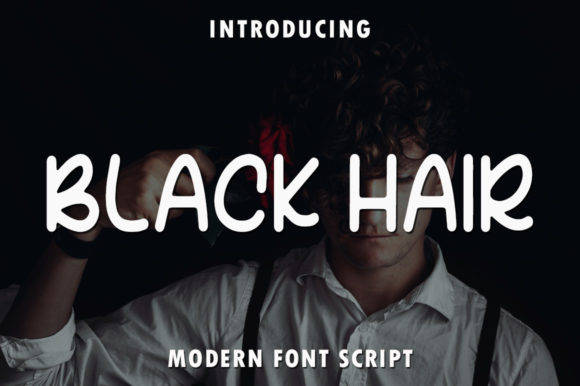
Black Hair is a display font designed to feel like it was written by hand, with a natural flow and subtle irregularities that make each letter unique. Its rhythm is gentle but confident, with a playful yet professional character that makes it ideal for creative projects. The font has a soft, modern aesthetic that feels both contemporary and timeless, making it versatile enough for a wide range of editorial uses.
What sets Black Hair apart is its ability to balance expressiveness with readability. Unlike some script fonts that can feel too ornate or difficult to read, this one maintains clarity even in larger sizes. It works particularly well for headlines, pull quotes, and section headings where a touch of flair is needed without overwhelming the reader.
Real-World Use Cases
I tested Black Hair in several real-world scenarios. For a lifestyle blog redesign, I used it as the primary title font for the homepage header. The result was a fresh, approachable look that immediately made the site feel more personal and engaging. In a recipe ebook, I paired it with a clean sans-serif font for body text, creating a contrast that highlighted the visual hierarchy and kept the content easy to read.
Another example came when designing a wedding guide. Black Hair worked beautifully as a decorative accent, used subtly in chapter openers and pull quotes. It added a sense of warmth and intimacy that complemented the overall theme. Similarly, in a digital magazine layout, I used it for cover text and section titles, allowing it to stand out while maintaining a cohesive brand identity.
For a coaching workbook, I considered using Black Hair for motivational headers and key takeaways. Its expressive nature helped convey emotion and inspiration, making the content feel more relatable. However, I also noted that it’s not suitable for dense paragraphs or body copy due to its informal and flowing structure. In those cases, pairing it with a more structured serif or sans-serif font would be a better choice.
Readability and Practical Considerations
While Black Hair is visually appealing, it’s important to consider its readability in different contexts. On screen, it performs well in larger sizes, especially when used for headlines and short text blocks. However, in smaller sizes or on mobile layouts, it can become less legible. This means it’s best suited for short-form content rather than long-form reading experiences.
In PDF exports and print materials, Black Hair holds up well, provided it’s used appropriately. When designing printable planners or worksheets, I found that using it for section headers and decorative elements enhanced the visual appeal without compromising the readability of the main content. It’s also worth noting that the font includes multiple weights and alternates, offering flexibility for different design needs.
When working with Black Hair, it’s essential to check the included styles, ligatures, and multilingual support. These features can significantly impact how the font functions in various editorial layouts. Additionally, verifying commercial font licensing is crucial if you plan to use it in paid newsletters, client publications, or digital downloads.
Font Pairing and Design Strategy
To ensure a balanced design, Black Hair pairs well with other fonts that provide contrast and structure. For instance, pairing it with a readable serif font like Georgia or a clean sans-serif font like Helvetica can create a strong visual hierarchy. This combination allows the display font to shine while keeping the rest of the content clear and focused.
In a newsletter header, I used Black Hair alongside a modern sans-serif font for the body text. The result was a dynamic yet professional layout that maintained a consistent brand identity. Similarly, in a course PDF, I used it for chapter openers and key points, reinforcing the learning experience with a touch of creativity.
Ultimately, Black Hair is a font that invites experimentation and personal expression. Whether you’re designing a lifestyle blog, a recipe ebook, or a printable planner, it offers a unique way to elevate your editorial design without sacrificing readability or professionalism.